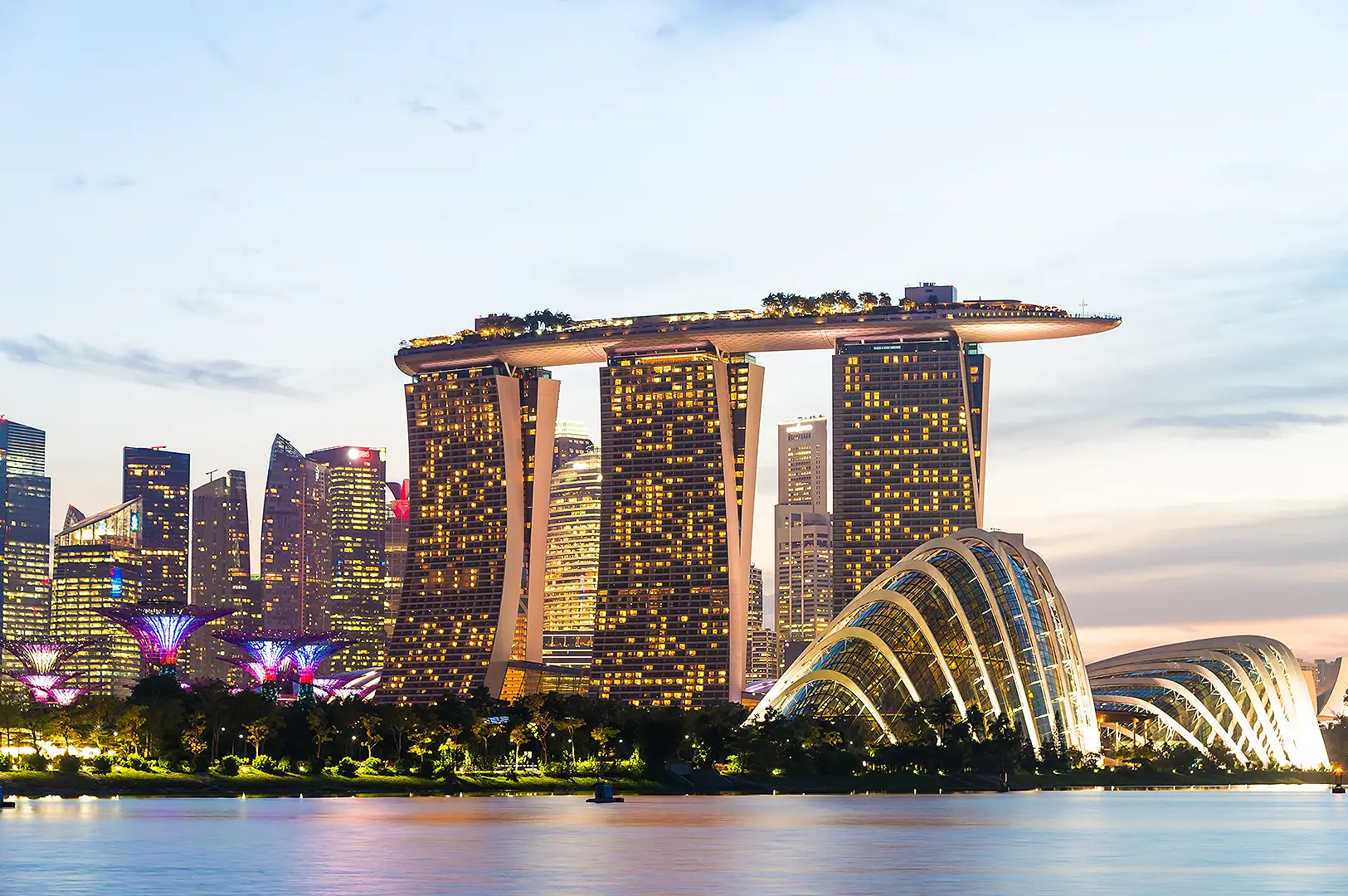
Where the Waterfront Changes Its Pace
By D.K. Chan Rui for Marina Bay Guide
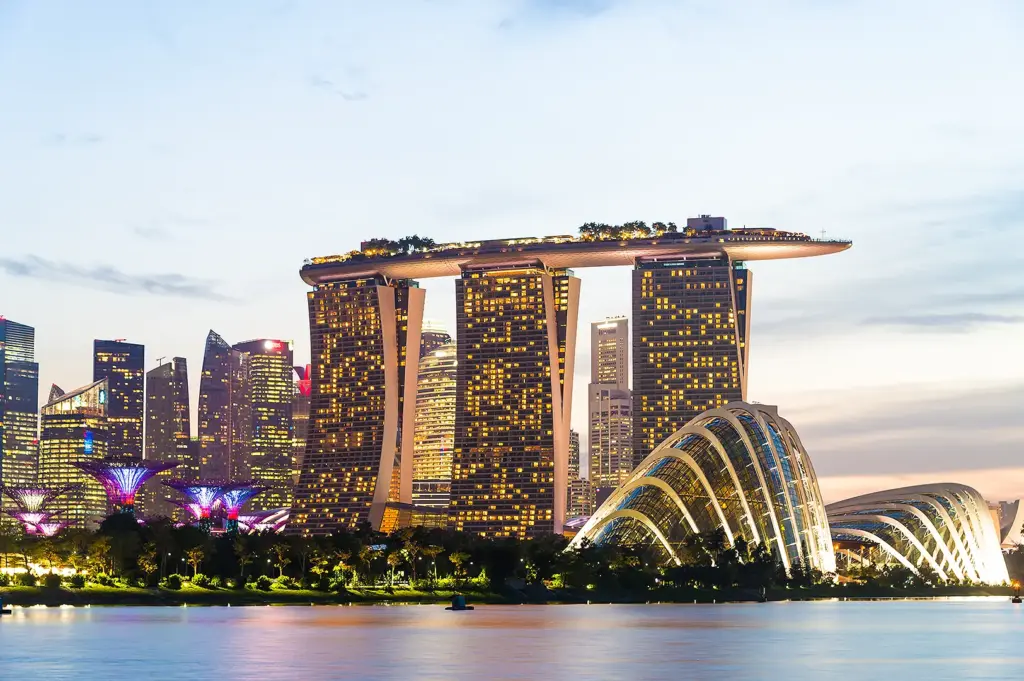
A faint breeze moves across the water near the Marina Bay Sands promenade, carrying the distant sound of conversation beneath the open sky.
Someone stops beside the railing to photograph the financial district. A cyclist passes quietly. Further along, two people walk without speaking, occasionally turning towards the bay.
There is something about walking beside water that makes an ordinary distance feel different.
The waterfront does not ask for a particular pace. Some people move purposefully towards their next destination. Others seem content to follow the curve of the promenade without deciding where to stop.
The interesting moments often happen between those two intentions.
From the Bayfront side, the financial district rises across the water. Its glass towers form a closely gathered skyline, interrupted by older buildings nearer the shoreline. Seen from a distance, the architecture appears almost continuous.
But walking changes that impression.
As the promenade curves, buildings that previously overlapped begin to separate. A narrow space opens between two towers. The Fullerton Hotel becomes easier to distinguish from its taller neighbours.
The view is never entirely fixed.
I find the water equally interesting for what it does to the city's reflections. On calmer afternoons, the buildings appear as long, wavering shapes. When a boat passes, the surface breaks into smaller movements, briefly scattering what seemed settled.
The city remains in place, but its reflection never quite does.
Approaching the Helix Bridge, the waterfront takes on another character.
Completed in 2010, the pedestrian bridge connects Bayfront with Marina Centre. Its spiralling steel structure draws inspiration from the double helix of DNA, an architectural idea that becomes more apparent when viewed from outside.
Walking through it reveals something else.
The intersecting steel members repeatedly frame and interrupt the surrounding skyline. Through one opening, the water appears. Through another, the towers of Marina Bay Sands come into view.
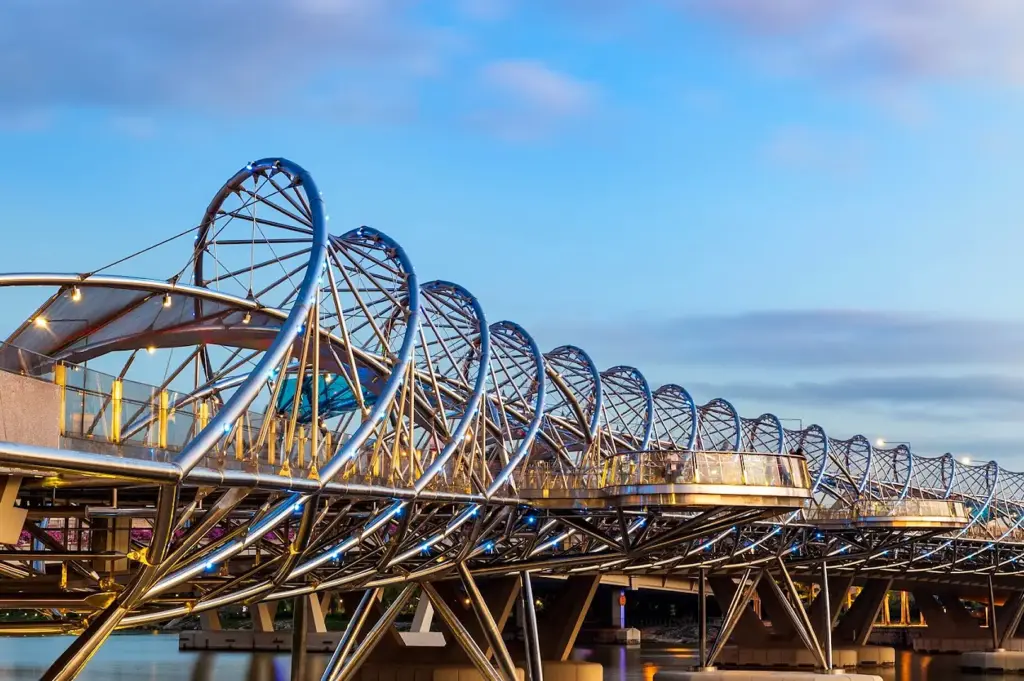
The bridge becomes more than a connection between two shores. It changes how the familiar surroundings are seen.
Beyond it, Youth Olympic Park offers a quieter contrast.
Created to commemorate Singapore's inaugural Youth Olympic Games in 2010, the park contains artworks by young people. Their presence introduces a more personal scale beside the surrounding infrastructure.
Here, the waterfront feels less concerned with its grand outlines.
A walk may eventually lead towards a table overlooking the water. For those inclined to stay a little longer, there is more to consider, and you can read more here.
There are paths to follow, small details to notice and moments when the surrounding buildings seem unusually distant despite remaining close.
Perhaps that is what makes walking around Marina Bay rewarding. Its architecture encourages us to look outward, towards recognisable structures and broad views. Yet the spaces connecting those landmarks often reveal something more intimate.
A passing shadow. The sound of shoes against the pavement. A reflection interrupted by ripples.
None requires much attention, though each rewards it.
Further along the path, the water continues moving beside the city, indifferent to the buildings gathered around it.
And for a few steps, the distance between one landmark and another matters less than the simple pleasure of being somewhere in between.