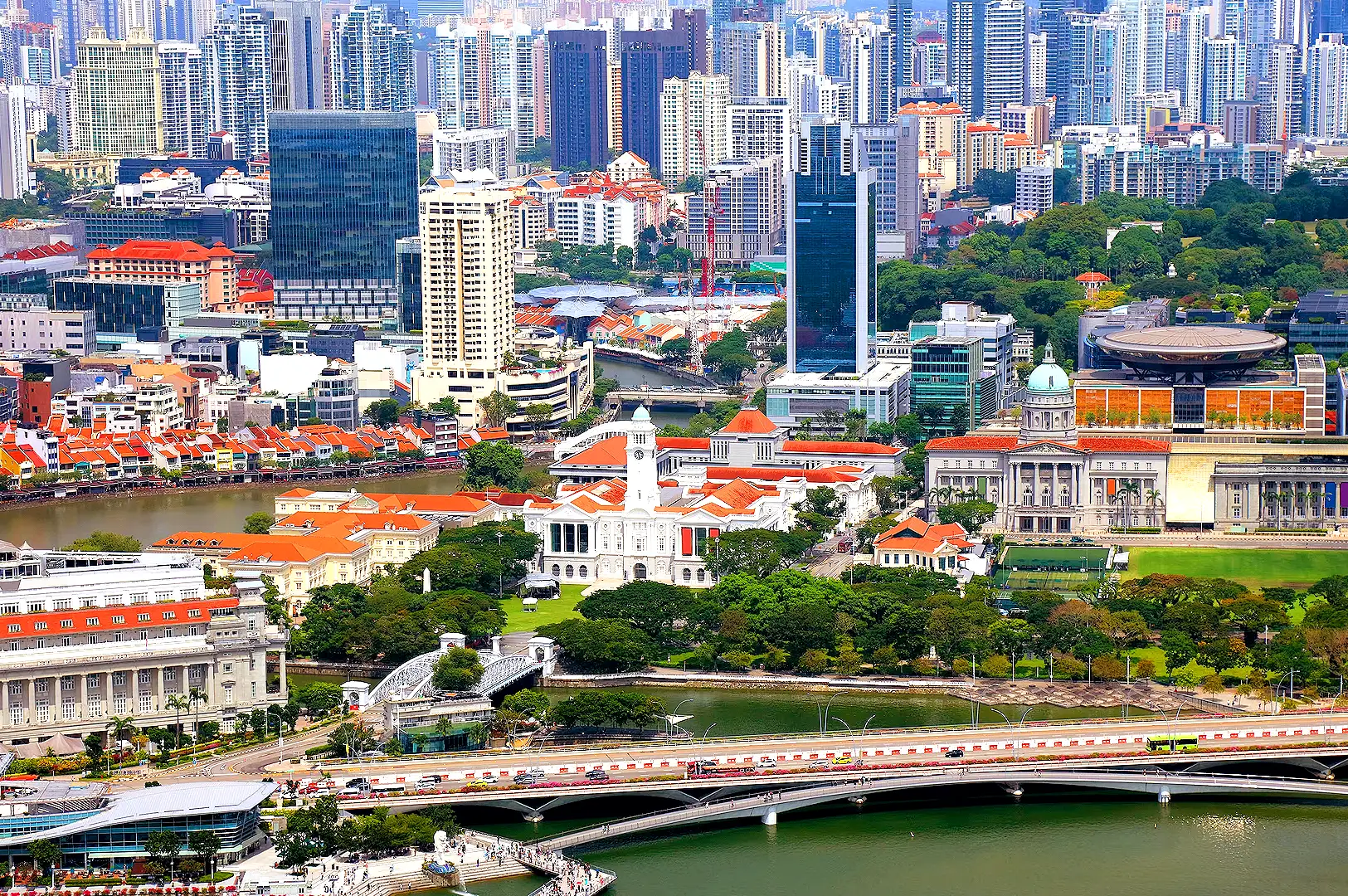
Where Civic Streets Meet the Skyline: Downtown Core Singapore
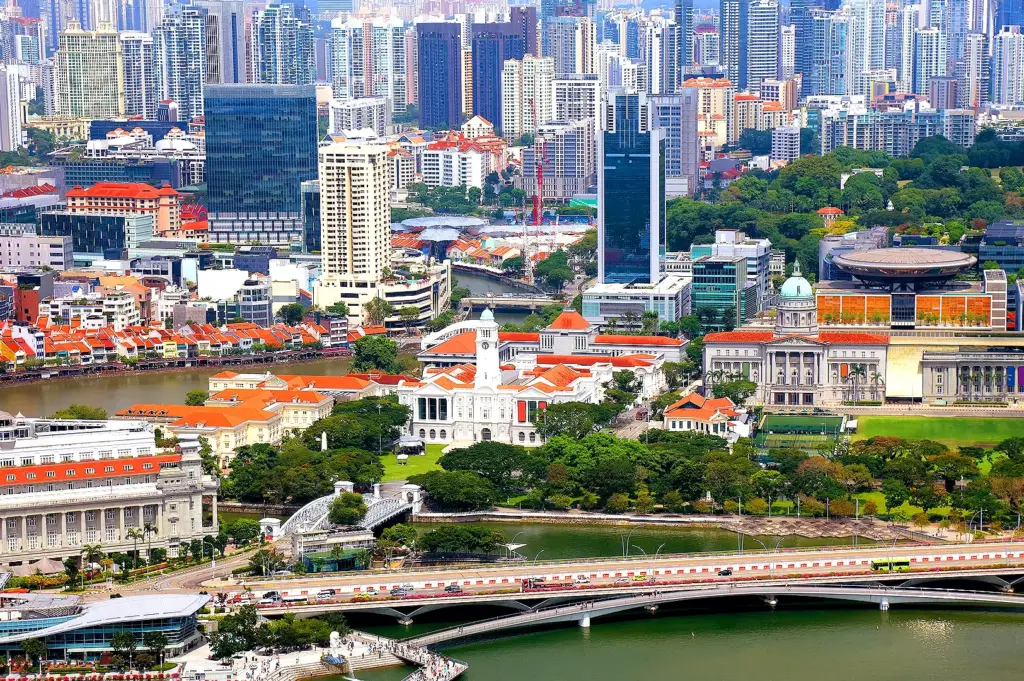
Stand near the Padang and look towards Raffles Place. Historic civic buildings occupy one side of the view; office towers rise beyond them. Few places in Singapore show such different chapters of the city within a short walk.
What interests me about the Downtown Core is not simply its skyline. Financial streets, museums, hotels and waterfront spaces share a central location, yet each serves a different purpose. To understand downtown Singapore, I prefer to begin at street level, where these contrasts become easier to notice.
One practical lesson follows from this geography: a hotel address labelled “downtown” does not tell you how near it is to the places you want to explore. A room beside City Hall MRT may suit a museum-focused visit better than a waterfront hotel, even if the second offers a more dramatic view. I would check walking routes and train exits before reserving a stay.
When comparing hotels in Marina Bay, I’d pay particular attention to which side of the water they occupy, since two rooms with similar skyline views can lead to quite different experiences of the city on foot.
Where the Downtown Core Begins and the Central Business District Takes Shape
The Downtown Core Planning Area is an official designation within Singapore’s Central Region, administered by the Urban Redevelopment Authority (URA). It includes Raffles Place, City Hall, Marina Centre, Bayfront, Bugis and other established commercial neighbourhoods.
The central business district, or CBD, is the principal financial and office concentration within this larger area. Marina Bay refers to the waterfront precinct, not the whole planning area. Likewise, downtown Singapore is an everyday geographical expression rather than a precise planning boundary.
These distinctions are useful when reading a map or choosing where to stay. The Singapore Downtown Core is not one compact attraction: it comprises neighbourhoods with different histories and functions.
Area | What you’ll find |
|---|---|
Raffles Place | Financial institutions and office towers |
Civic District | Museums and historic public buildings |
Bayfront | Marina Bay Sands and waterfront attractions |
Marina Centre | Suntec City, events and shopping |
City Hall | Raffles City and transport connections |
Raffles Place: The Financial Heart of Downtown Singapore
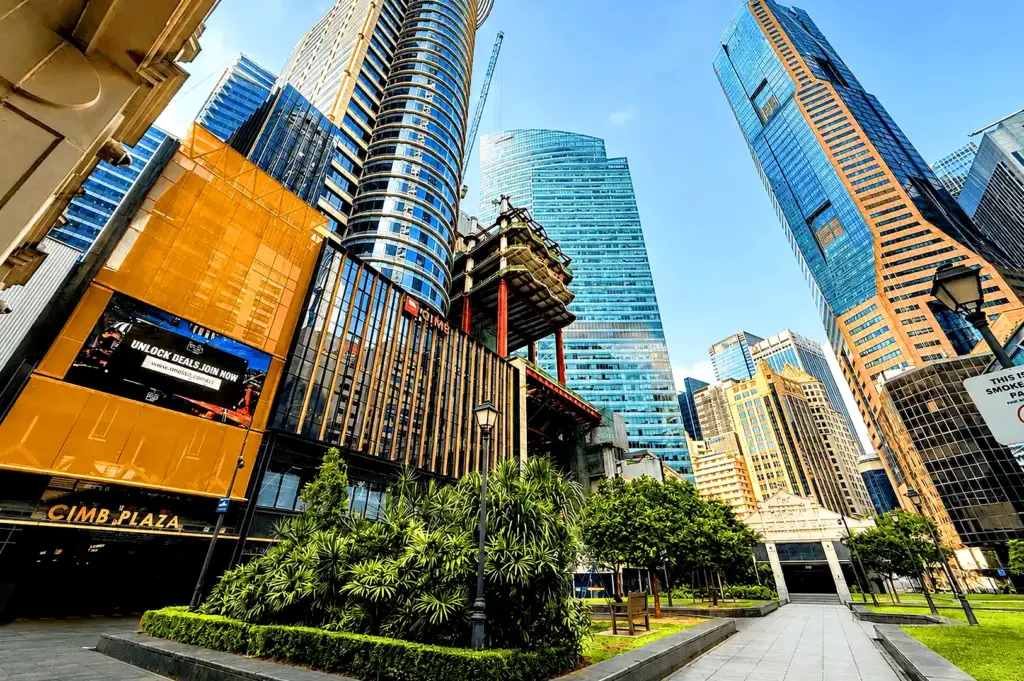
At Raffles Place, skyscrapers surround a small public park. Nearby Robinson Road and Cecil Street hold offices, banks, restaurants and the everyday services of the business district.
I think a weekday visit is especially revealing. Commuters arrive through the MRT, office workers gather for lunch, and the streets change pace as the working day ends. The area also reflects Singapore’s history as a trading port, long before its present financial skyline took shape.
Allow 45–60 minutes to explore a few adjoining streets rather than trying to cover the entire CBD. For food, Lau Pa Sat at 18 Raffles Quay is a practical stop. I would budget roughly S$7–15 for a casual meal, depending on the stall and order; that’s a planning estimate, not an official price average.
From here, walk towards the Fullerton waterfront to see how the dense business streets open towards the bay.
The Civic District: History Beyond the Skyscrapers
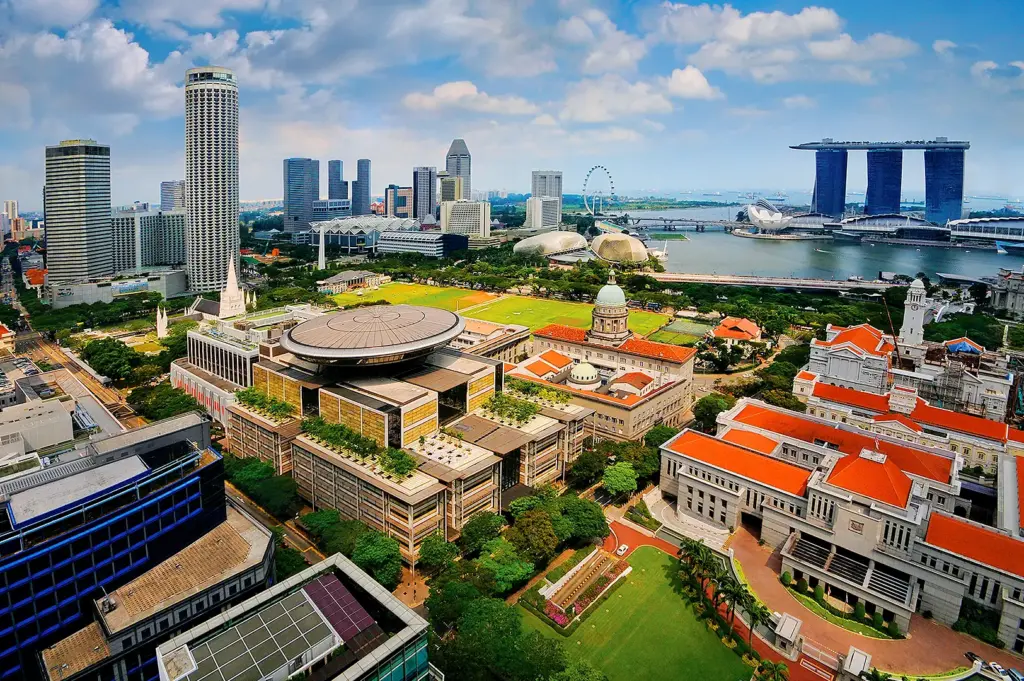
Near the Padang, the scale changes. The Civic District preserves public buildings associated with colonial government and Singapore’s development into an independent city state.
National Gallery Singapore occupies the former City Hall and former Supreme Court buildings. The current Supreme Court operates separately nearby. That difference matters: the older courthouse is now part of an art museum, illustrating how conservation can give historic architecture a new public use.
At the Asian Civilisations Museum, in the Empress Place Building beside the Singapore River, exhibitions examine the cultures and connections that have shaped Asia. I would choose one museum for a short visit rather than rushing through both.
If admission isn’t in your plan, you can still explore the Padang surroundings and admire the civic building exteriors for free. These streets reveal a history that photographs of the city skyline often miss.
Marina Bay Sands and the Waterfront That Changed the City
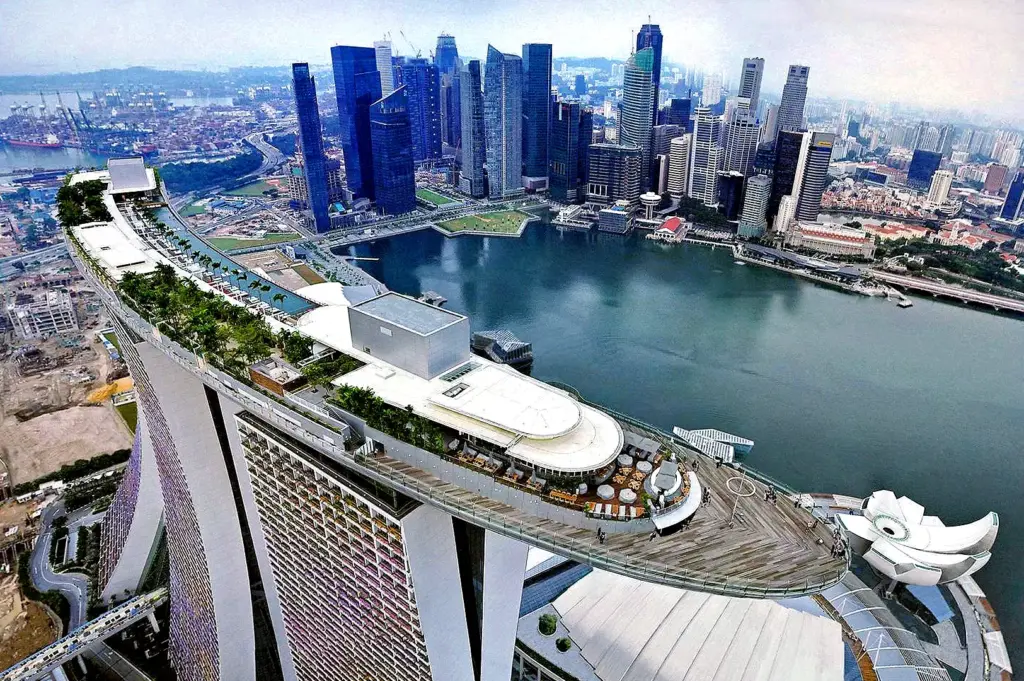
Marina Bay gives the Downtown Core a different sense of space. Broad views replace narrow office streets, and the waterfront promenade connects public gathering places with hotels, restaurants and entertainment.
Marina Bay Sands dominates the view with its three towers and elevated SkyPark. Much of the surrounding Marina Bay landscape was shaped through land reclamation and long-term planning, allowing Singapore to expand its central waterfront.
For a paid panorama, the SkyPark Observation Deck lists adult tickets at S$35 during non-peak periods and S$39 at peak times in the research supplied for this guide. Check current rates before booking.
I prefer recommending Merlion Park first: its public viewpoints offer a memorable view across the water without an admission fee. Visit near sunset if you want to watch the buildings shift from daylight into night lighting.
Gardens by the Bay is another worthwhile nearby visit, though its main attractions lie in Marina South, outside the Downtown Core Planning Area. Its outdoor gardens offer free areas, while the conservatories and some other experiences are ticketed.
Suntec City and Raffles City: Shopping, Events and Shelter
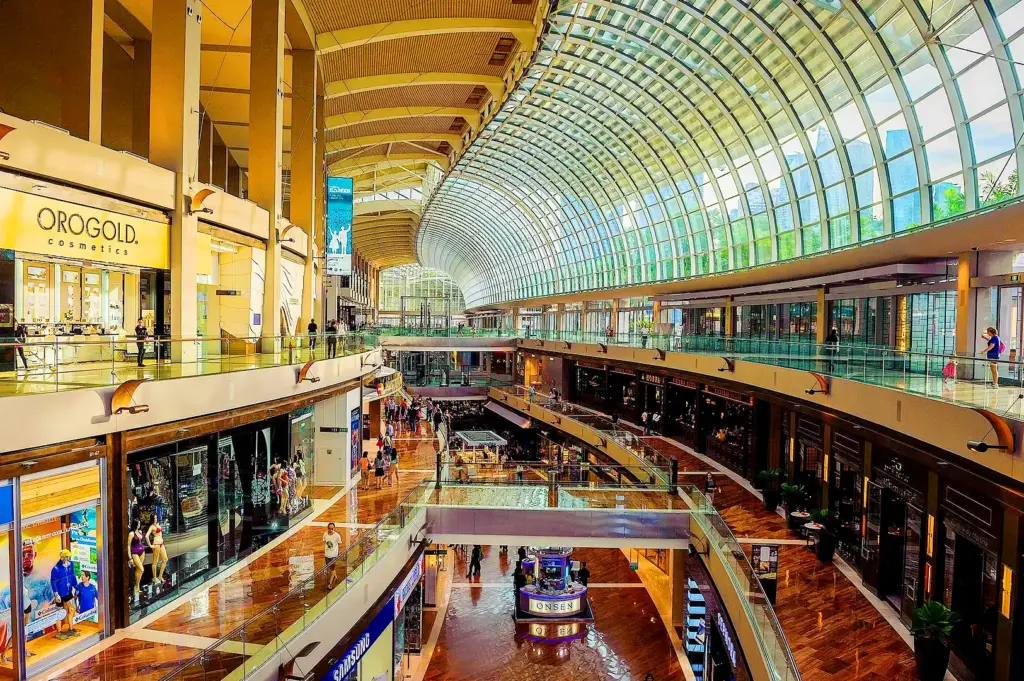
The Downtown Core also works indoors. Suntec City combines shopping, restaurants and offices in Marina Centre; the nearby Suntec Singapore Convention & Exhibition Centre hosts conferences and exhibitions.
The Singapore Flyer, at 30 Raffles Avenue, offers views of the bay, financial district and surrounding city. The August 2026 research brochure lists S$46 for a standard adult ticket; verify the price when you visit.
Over at City Hall, Raffles City combines shops, hotels and convention facilities with convenient MRT access. Neither mall needs to be the centre of your day, but both can be useful when heavy rain or midday heat makes an outdoor walk uncomfortable.
Not every connection is fully sheltered. Check the route before leaving a mall, particularly if you’re travelling with children or someone who needs step-free access.
What the Urban Redevelopment Authority Wants Downtown to Become
A typical downtown core concentrates jobs, government functions, transport and commercial activity. But its contribution to urban life depends on more than towers or shopping centres. Can residents and tourists move comfortably between buildings? Is there somewhere to rest? Does the district remain useful after office hours?
The Urban Redevelopment Authority addresses these questions through its Downtown Core urban design guidelines. The September 2026 guidance encourages more mixed-use development, active street fronts and pedestrian connections at ground, underground and elevated levels.
Areas such as Anson and Cecil have opportunities for more homes alongside business uses, while Raffles Place retains its strong financial role. Rules about building heights and streetscapes also help protect important views and the character of historic places.
For me, the best way to judge such planning isn’t to count skyscrapers. It’s to notice clear crossings, shaded walkways, accessible entrances and public spaces you can enjoy without buying anything.
Walking Through Singapore’s Downtown Core
For a first visit, I’d plan five to six hours with one museum, a meal and several outdoor stops. This route follows the transition from civic history to commerce and the waterfront:
City Hall MRT: Start at the Padang and National Gallery Singapore. Spend 45–60 minutes outside, or longer if you enter the gallery.
Asian Civilisations Museum: Continue towards the Singapore River. Choose whether to visit exhibitions or simply enjoy the building and riverside setting.
Merlion Park: Walk to the public viewpoint for a clear perspective on Marina Bay Sands.
Raffles Place: Explore the office streets, then stop for lunch at Lau Pa Sat or another nearby food venue.
Bayfront: Finish around Marina Bay Sands. If you’re tired, use the MRT instead of extending the walk.
I also suggest leaving your schedule flexible. If a museum exhibition holds your attention, don’t rush away just to tick off another landmark. Conversely, if the afternoon becomes too hot, move the longer outdoor stretch to early evening. Singapore’s public transport makes it fairly easy to change direction without abandoning the day. It also leaves time to notice the details that hurried itineraries overlook.
Insider knowledge: Choose your station for your actual first stop. City Hall serves civic sights; Raffles Place serves the financial streets; Bayfront serves Marina Bay Sands; Promenade is useful for the Singapore Flyer.
The supplied research lists standard adult MRT card fares of S$1.28–S$2.57, with increases scheduled for 26 December 2026. For a casual day, I would allow S$20–40 for transport, food and refreshments, excluding museum and attraction tickets. Your spending will depend on how many paid experiences you choose.
What the Downtown Map Doesn't Always Tell You
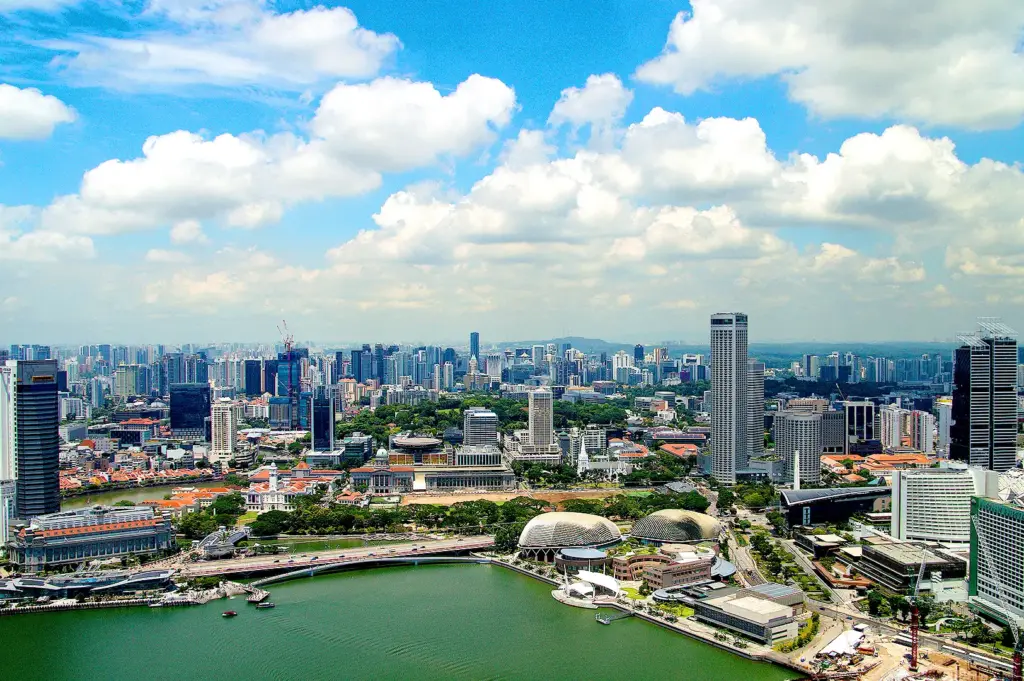
One mistake is treating Downtown Core Singapore as a single short waterfront walk. Bugis, Tanjong Pagar, Marina Centre and Bayfront are connected, but covering them all on foot can be tiring. Choose neighbouring areas and use the MRT for longer jumps.
Another is assuming Singapore’s connected underground and elevated passages make every route air-conditioned. The waterfront has exposed stretches. Carry water, comfortable shoes and an umbrella, and leave room for breaks.
Events can also change your plans. The Marina Bay Street Circuit uses public roads for the Formula 1 Singapore Grand Prix. Race preparations may affect pedestrian routes and traffic around Marina Centre. Always check official notices for event dates, restrictions and transport changes rather than relying on an old guide.
A Few Questions Before Exploring the Downtown Core
Is the Downtown Core the same as the CBD?
No. The CBD is the financial and commercial concentration within the broader Downtown Core, which also includes the Civic District, Marina Centre and other neighbourhoods.
Can I explore without spending money?
Yes. Merlion Park, publicly accessible waterfront paths and views of historic civic buildings are free. Budget separately for ticketed museums, observation decks and exhibitions.
How long should I spend downtown?
Allow two to three hours for one cluster, or five to six hours for the walking route above. A full day gives you room for more attractions and shopping.
Is daytime or night better?
Weekday mornings show the CBD at work; evenings offer appealing waterfront views. I’d begin with the Civic District and finish at Marina Bay when possible.
Which area is best for a hotel?
City Hall suits museum visits and train access. Bayfront brings you close to Marina Bay Sands, while Raffles Place and Tanjong Pagar are practical for business stays. Choose your location by itinerary, not only by room view.
Looking Beyond the Skyline
Singapore’s Downtown Core brings together commercial streets, government history, transport, culture and public waterfront life. Its success isn’t expressed only through distinctive buildings, but through the connections that let people move between them.
When you explore, notice the change from the low historic facades near the Padang to the dense towers around Raffles Place, then the open edge of Marina Bay. That short journey explains more about the city than any single observation deck could.
The skyline draws your attention. The streets help you understand the place.